If we had a dollar for every time we’ve heard this question. Our job would be easier if we could quote the same number every time, but the cost of producing a video genuinely depends on a handful of factors. Here’s what moves the number, and why.
Pre-production
The preparation phase is arguably the most important phase of a video. It covers planning, scripting, storyboarding, and casting. How much time and preparation a project needs up front will shape the total cost more than almost anything else, and skipping it doesn’t save money, it just moves the cost to the edit.
Number of shooting days
A video we can shoot in one day costs less than one that needs five. Crew, equipment, rentals, and location all scale with the day count.
Filming location
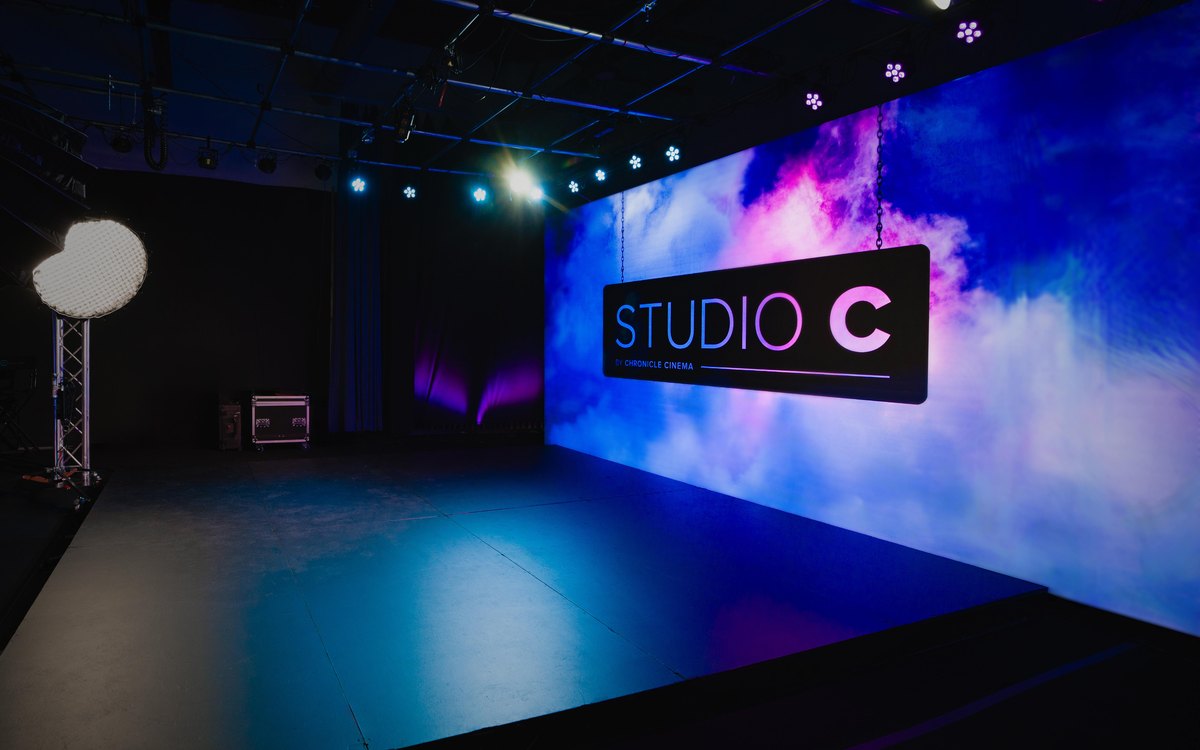
If you can shoot in your own office or a public space, you’ll save money. If the video needs a green screen, an LED wall, or controlled sound, you’ll want a stage. Also worth budgeting for: permits and insurance, how in-demand the venue is, and whether production will disrupt the space’s normal business.
Length of the video
Longer runtimes mean more storyboarding, more shooting, more edit time, and a longer turnaround.
Talent
If you use your own team, or put yourself on camera, you save. If you need actors, budget for it. Talent cost depends on experience, demand, time required, and location, plus union or non-union, casting and audition fees, and agent fees.
So what does it actually cost?
The useful version of this answer comes from a conversation, not a table. Tell us the goal, the audience, and the deadline, and we’ll tell you what it takes to get there, and where you can spend less without the result showing it.